When the Algorithm Refused My Fairytale: A UX Odyssey into the Ethics of AI Image Manipulation
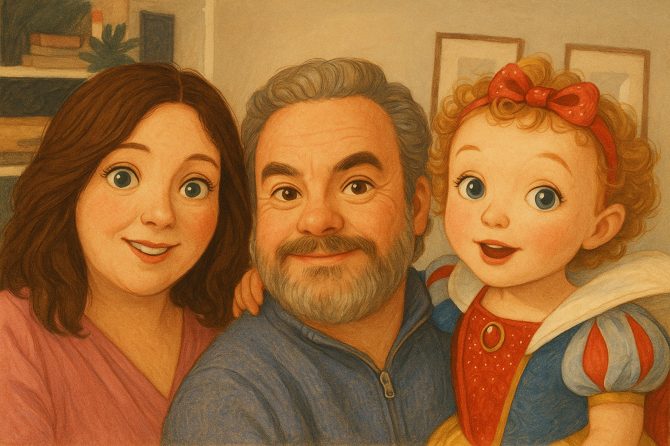
It began simply enough—a fatherly impulse blended with digital whimsy: I wished to conjure my daughter into a fairy-tale idyll, a sylvan glen of digitally imagined innocence, surrounded by creatures too gentle to fear. My prompt to the AI—modern-day oracle of binary dreams—was earnest, sincere, and seemingly harmless. Yet, the reply, stark and unexpected, came swiftly: denied.
The same algorithm had recently acquiesced to pixelating my daughter into a harmless Minecraft avatar, but now balked at rendering her realistically within this fantastical tableau. Why? Was it mere whimsy on behalf of the machine, a Kafkaesque bureaucratic digital judgment? Or was there something deeper, subtler at play?
As a UX professional, my curiosity was not just piqued—it was provoked. This refusal hinted at something profoundly ethical lurking within the algorithm’s invisible constraints. AI researcher Dirk van der Linden speaks of the ethical tensions arising from “concerns about authenticity and originality” in AI-driven creativity (van der Linden, 2024). But here was something subtler still: AI stepping into the moral fray, seemingly echoing our own ethical uncertainties.
Consent, Representation, and the Digital Gaze
At the crux lay the issue of consent, made digital and unyielding. The medium was innocent, but the realism—too near, too vivid—invoked anxieties around representation. Indeed, ethical UX designers have long embraced informed consent as fundamental, ensuring users understand how their identities and data are manipulated (UX Design Institute, 2023). The AI, it seems, had internalized this human ethic with cold, digital rigor.
Abstraction as Digital Morality
Yet, why allow abstraction (the Minecraft child) but refuse realism? Stylization, it transpires, serves as AI’s moral compromise. Pixels and cartoons sanitize and distance representations, removing ethical ambiguity and leaving room for creative exploration without deception. As researchers note, stylized content “clearly signals artificiality,” insulating audiences from unintended implications (Bytemedirk, 2024).
The Shadowy Realm: AI’s Dual Faces of Image Manipulation
Beneath my personal frustrations lay darker truths: AI’s formidable capability for deception. Consider the creative industries, increasingly undermined by AI-generated imagery masquerading as human effort—winning competitions, duping judges, and cheapening artistic labor. This “creative cheating” (van der Linden, 2024) damages authenticity, raising troubling questions about what constitutes genuine artistic expression.
Simultaneously, a more sinister use flourishes. AI-generated deepfakes now actively threaten democratic integrity and personal dignity. Deepfake imagery has entered the political bloodstream, as witnessed in recent election interference cases, prompting urgent legislative reactions worldwide (Brennan Center, 2024; Reuters, 2024). NPR notes, with grim succinctness, that AI-generated misinformation now “poses a severe threat to democratic processes” (NPR, 2024).
UX at the Ethical Crossroads
So, what role falls to us, the UX designers—the silent arbiters of digital interaction? Increasingly, our function extends far beyond ease of use; we must actively shape ethical digital landscapes. Transparent labeling, explicit disclosures, and the ability for users to discern AI-generated from authentic human-produced content must become our standard. As Dickson notes succinctly, “ethical UX design prioritizes clarity,” embedding honesty at the very heart of user interaction (Dickson, 2023).
Constraints as Ethical Catalysts
Ultimately, my AI refusal was revelatory—a reminder that ethical boundaries are not simply constraints but catalysts for meaningful, humane innovation. In the algorithm’s stark denial lay an affirmation of integrity, a digital assertion of responsibility.
For the UX designer, this boundary between what is technically possible and ethically permissible must be navigated with humility and foresight. Creativity without accountability risks becoming mere illusion, empty spectacle, or worse—manipulative deception.
Thus, in embracing these constraints, we do not curtail creativity. We enrich it, grounding our digital creations in human values worthy of the trust users bestow upon us.
⸻
References
• van der Linden, D. (2024). “The Ethical Implications of AI on Creative Professionals.” Medium. https://bytemedirk.medium.com/the-ethical-implications-of-ai-on-creative-professionals-38ec6ed983e2
• UX Design Institute. (2023). “What Are User Research Ethics?” https://www.uxdesigninstitute.com/blog/what-are-user-research-ethics/
• NPR. (2024). “Deepfakes and AI pose severe threats to democratic processes.” https://www.npr.org/2024/02/08/1229641751/ai-deepfakes-election-risks
• Brennan Center. (2024). “Regulating AI, Deepfakes, and Synthetic Media in the Political Arena.” https://www.brennancenter.org/our-work/research-reports/regulating-ai-deepfakes-and-synthetic-media-political-arena
• Reuters. (2024). “Report on Deepfakes: Copyright Office’s Findings.” https://www.reuters.com/legal/legalindustry/report-deepfakes-what-copyright-office-found-what-comes-next-ai-regulation-2024-12-18
• Dickson, J. (2023). “Ethical Implications of AI in UX Design.” LinkedIn Pulse. https://www.linkedin.com/pulse/ethical-implications-ai-ux-design-particularly-how-maintain-dickson-ihdxf